
How to Get More Commercial Construction Jobs (Proven Strategies for Contractors)

For many contractors, commercial construction projects offer larger contract values, recurring opportunities, and long-term business growth.
However, winning commercial work is often much different than landing residential projects.
Commercial clients typically look for contractors who demonstrate professionalism, financial stability, proper licensing, insurance, and the ability to complete projects on time and within budget.
If you're ready to move beyond small residential jobs and grow your contracting business, this guide will show you how to get more commercial construction jobs.
Why Commercial Construction Projects Matter
Commercial projects often provide:
✔ Larger contract values
✔ Repeat business opportunities
✔ More predictable work schedules
✔ Long-term client relationships
✔ Increased revenue potential
Many contractors use commercial work as a stepping stone to significant business growth.
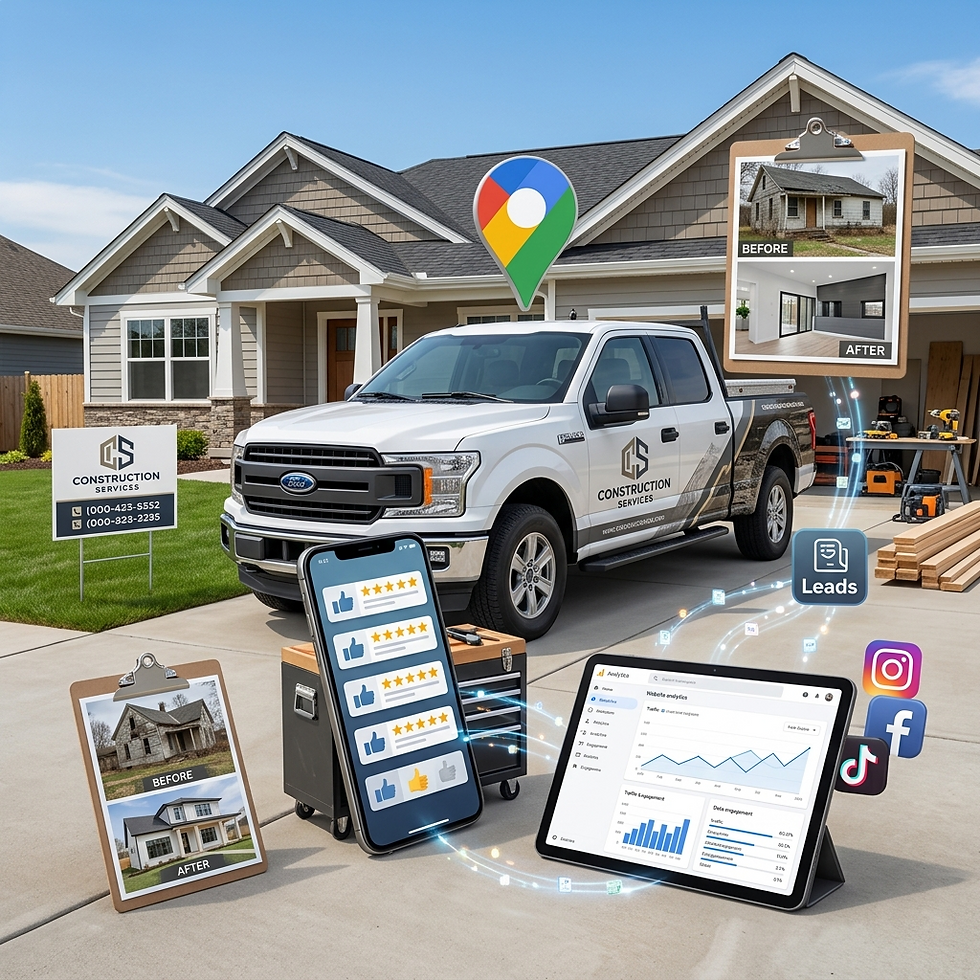
Step 1: Build a Professional Company Image
Commercial clients want to work with established businesses.
Make sure your company has:
A professional website
Company email addresses
Branded vehicles
Business licenses
Professional proposals
Active insurance coverage
First impressions matter.
A polished business image can help separate you from competitors.
Step 2: Obtain Proper Licensing
Many commercial clients verify contractor licenses before awarding projects.
Keep your:
✔ Contractor license active
✔ License classifications updated
✔ Renewal requirements current
✔ Business information accurate
An expired license can instantly eliminate opportunities.
Step 3: Maintain Required Insurance
Most commercial projects require proof of insurance.
Common policies include:
General Liability Insurance
Protects against property damage and bodily injury claims.
Workers' Compensation Insurance
Often required if you have employees.
Commercial Auto Insurance
Protects vehicles used for business operations.
Many project owners require certificates of insurance before work begins.
Step 4: Build Your Bonding Capacity
One of the fastest ways to qualify for larger commercial projects is obtaining bonding capacity.
Commercial projects often require:
Required during the bidding process.
Guarantee project completion.
Help ensure subcontractors and suppliers are paid.
Many commercial and government projects will not consider contractors who cannot provide bonding.
Need Bid Bonds or Performance Bonds?
All American Bonds and Insurance helps contractors nationwide obtain:
✅ Bid Bonds
✅ Performance Bonds
✅ Payment Bonds
✅ Contractor License Bonds
✅ Fast Approvals
✅ Competitive Rates
📞 844-321-2663
Step 5: Create a Strong Portfolio
Commercial clients want proof of performance.
Include:
Completed projects
Before-and-after photos
Project values
Client testimonials
Project descriptions
Even smaller projects can demonstrate capability and professionalism.
Step 6: Network With Commercial Decision Makers
Relationships are critical in commercial construction.
Build connections with:
General contractors
Developers
Architects
Engineers
Property managers
Government agencies
Many opportunities come through referrals and relationships rather than public advertising.
Step 7: Register With Bid Platforms
Many commercial projects are advertised through bidding platforms.
Popular options include:
ConstructConnect
Dodge Construction Network
Building Connected
Local government procurement websites
These platforms can help contractors discover new opportunities before competitors.
Step 8: Learn How to Bid Commercial Projects
Winning commercial jobs requires more than submitting the lowest price.
Successful bids include:
✔ Detailed scopes of work
✔ Accurate pricing
✔ Realistic schedules
✔ Professional presentation
✔ Insurance documentation
Many project owners evaluate qualifications as heavily as pricing.
Step 9: Focus on One Commercial Niche
Trying to bid everything often leads to poor results.
Consider specializing in:
Retail construction
Medical facilities
Restaurants
Office build-outs
Multifamily housing
Schools
Warehouses
Specialization helps build credibility and expertise.
Step 10: Build Relationships With General Contractors
Many subcontractors grow by partnering with larger contractors.
Reach out to:
General contractors
Construction managers
Design-build firms
Ask to be added to their bidder lists for future projects.
Step 11: Improve Your Online Presence
Commercial clients often research contractors online.
Your website should include:
Services offered
Project portfolio
Testimonials
Licenses
Contact information
A strong online presence helps establish credibility.
Step 12: Collect More Reviews and References
Positive reviews can influence purchasing decisions.
Request testimonials from:
Property managers
Business owners
Developers
Previous clients
Strong references often help contractors stand out during the selection process.
Common Mistakes Contractors Make
❌ Chasing Every Project
Focus on projects that fit your experience and resources.
❌ Ignoring Bonding Requirements
Many contractors discover bonding requirements too late.
❌ Weak Proposals
A professional proposal can make a significant difference.
❌ No Portfolio
Commercial clients want proof of experience.
❌ Poor Follow-Up
Many contractors lose opportunities simply because they fail to follow up.
How Long Does It Take to Break Into Commercial Construction?
The timeline varies.
Many contractors begin with:
Small commercial renovations
Tenant improvements
Subcontracting opportunities
As experience grows, larger projects become more accessible.
Consistency and relationship-building are often more important than speed.
Benefits of Commercial Construction Work
Commercial contractors often enjoy:
✔ Higher project values
✔ Recurring business
✔ More stable revenue
✔ Larger growth opportunities
✔ Improved company valuation
Over time, commercial projects can help transform a small contracting company into a larger operation.
Final Thoughts
Getting more commercial construction jobs requires a combination of preparation, networking, marketing, licensing, insurance, and bonding.
Contractors who invest in professionalism, build strong relationships, maintain proper bonding capacity, and consistently pursue opportunities are often the ones who secure the most commercial work.
Start small, build a strong reputation, and continue expanding your portfolio. Over time, commercial construction can become one of the most profitable segments of your business.
FAQ
How do contractors find commercial construction jobs?
Many contractors find opportunities through networking, bid platforms, general contractors, developers, and government procurement websites.
Do commercial projects require bonds?
Many commercial and government projects require bid bonds, performance bonds, and payment bonds.
Can a residential contractor transition into commercial construction?
Yes. Many contractors start with smaller commercial projects before moving into larger opportunities.
What is the biggest challenge in winning commercial work?
Building credibility, relationships, and demonstrating the ability to complete projects successfully.
How important is bonding for commercial projects?
Very important. Many commercial project owners require bonding before awarding contracts.


Comments