
How to Buy Cars at Dealer Auctions (Step-by-Step Guide for New Dealers)
One of the biggest advantages of becoming a licensed auto dealer is gaining access to dealer-only auto auctions.
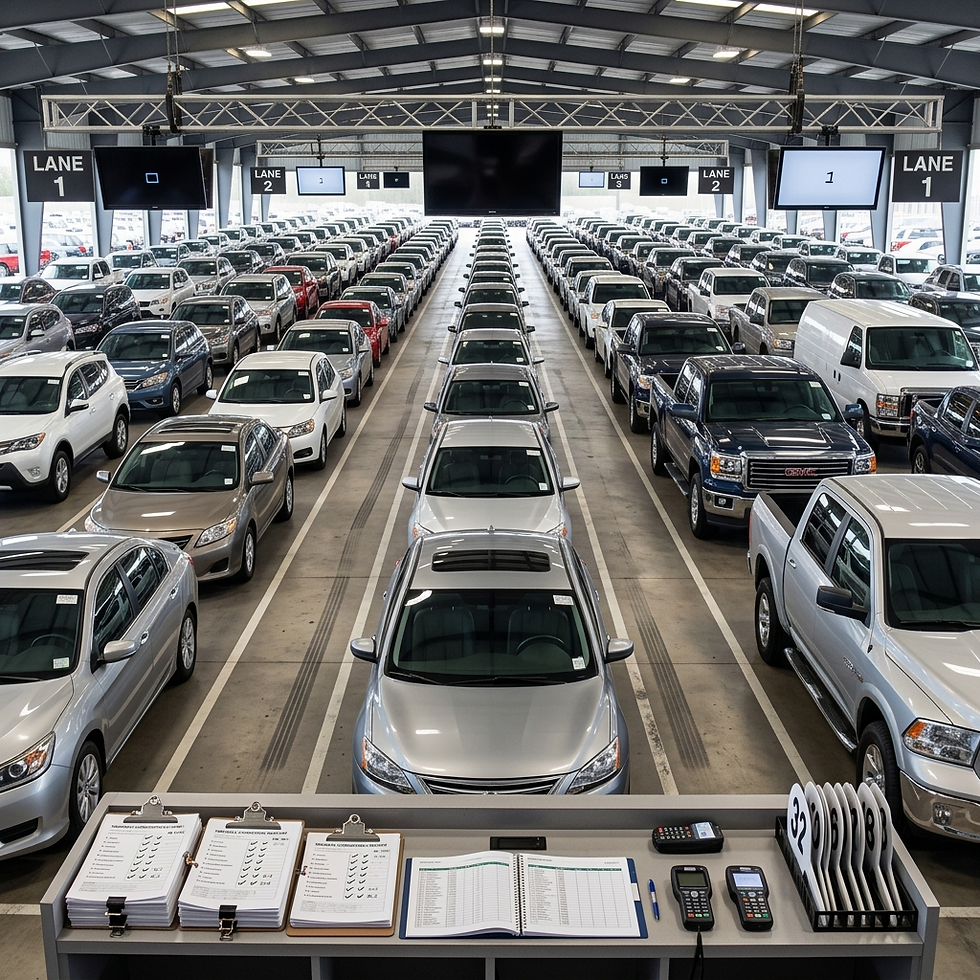
Dealer auctions provide access to thousands of vehicles every week, often at wholesale prices that can help dealerships maximize profits.
However, buying at auction isn't as simple as showing up and bidding.
Successful dealers have a strategy for finding inventory, evaluating vehicles, managing risk, and staying profitable.
In this guide, we'll explain how to buy cars at dealer auctions, what to expect, and how new dealers can avoid costly mistakes.
What Is a Dealer Auction?
A dealer auction is a marketplace where licensed dealers buy and sell vehicles.
Unlike public auctions, dealer-only auctions are restricted to licensed dealers and other approved automotive professionals.
Common inventory sources include:
Franchise dealerships
Rental car companies
Fleet operators
Banks
Repossession companies
Independent dealers
Dealer auctions often provide access to inventory not available to the general public.
Why Dealers Buy Vehicles at Auctions
Dealer auctions offer several benefits:
✔ Wholesale pricing opportunities
✔ Large vehicle selection
✔ Fast inventory acquisition
✔ Access to specialty vehicles
✔ Multiple buying options in one location
For many dealerships, auctions are the primary source of inventory.
Step 1: Obtain Your Dealer License
Before participating in most dealer-only auctions, you'll need an active dealer license.
Requirements vary by state but often include:
Dealer license application
Business location
Licensing fees
Once licensed, you'll generally be eligible to register with dealer auction companies.
Step 2: Register With Auction Companies
Popular auction providers include:
Manheim
ADESA
America’s Auto Auction
Independent regional auctions
Registration may require:
✔ Dealer license
✔ Business information
✔ Tax identification number
✔ Dealer bond information
✔ Bank references
Approval typically allows access to both in-person and online auctions.
Step 3: Research Market Demand
Before buying anything, understand what sells in your market.
Ask yourself:
What vehicles are customers requesting?
Which vehicles sell fastest?
What price range performs best?
What inventory creates the highest profit margins?
Buying based on demand—not personal preference—is one of the keys to success.
Step 4: Set a Budget
One of the biggest mistakes new dealers make is overspending.
Before bidding, determine:
Maximum purchase price
Transportation costs
Reconditioning costs
Auction fees
Marketing expenses
Always leave room for profit.
Step 5: Review Vehicle Condition Reports
Many auctions provide condition reports that include:
Vehicle history
Odometer readings
Damage disclosures
Mechanical information
Photos
Review these reports carefully before bidding.
Never assume a vehicle is in perfect condition.
Step 6: Check Vehicle History Reports
Whenever possible, review:
Accident history
Title status
Ownership history
Service records
Vehicles with clean histories often attract more buyers and stronger profits.
Step 7: Understand Auction Announcements
Auction announcements may disclose:
Frame damage
Engine issues
Transmission concerns
Structural repairs
Title problems
Pay close attention to these disclosures before bidding.
Step 8: Inspect Vehicles When Possible
If attending in person:
Inspect:
✔ Tires
✔ Paint condition
✔ Interior condition
✔ Glass
✔ Body panels
✔ Signs of repairs
A few minutes of inspection can prevent expensive surprises.
Step 9: Stick to Your Maximum Bid
Auction excitement can cause dealers to overpay.
Before bidding:
Determine your maximum price and stick to it.
Remember to include:
Auction fees
Transportation
Reconditioning
Advertising
Profit margin
Discipline is one of the most important skills successful dealers develop.
Step 10: Understand Auction Fees
The final purchase price is often higher than the winning bid.
Common fees include:
Buyer fees
Transportation fees
Arbitration fees
Documentation fees
Always calculate total acquisition cost before bidding.
Step 11: Arrange Transportation
After purchasing a vehicle, you'll need to:
Drive it
Tow it
Use a transport company
Transportation costs should be factored into your acquisition strategy.
Step 12: Recondition Inventory
Most auction vehicles require some level of preparation before resale.
Common reconditioning expenses include:
Detailing
Tire replacement
Brake repairs
Mechanical repairs
Paint touch-ups
Budgeting for reconditioning helps protect profitability.
Common Auction Mistakes New Dealers Make
❌ Buying Too Many Vehicles
Start small until you understand your market.
❌ Ignoring Condition Reports
Vehicle disclosures exist for a reason.
❌ Overbidding
Paying too much can eliminate profit.
❌ Forgetting Fees
Auction fees can significantly affect margins.
❌ Buying Based on Personal Preference
Buy what customers want—not what you personally like.
How Many Cars Should a New Dealer Buy?
Many successful new dealers start with:
5–15 Vehicles
This approach allows you to:
✔ Preserve cash flow
✔ Learn your market
✔ Reduce risk
✔ Test inventory strategies
Growth should be gradual and data-driven.
Insurance Considerations for Auction Purchases
As inventory grows, so do insurance needs.
Many dealers maintain:
Proper insurance helps protect your inventory and dealership operations.
Need Dealer Insurance or a Dealer Bond?
All American Bonds and Insurance helps dealers nationwide secure:
✅ Dealer Bonds
✅ Garage Liability Insurance
✅ Open Lot Coverage
✅ Dealer Plate Coverage
✅ Fast Quotes
📞 844-321-2663
Final Thoughts
Dealer auctions can be one of the best ways to build profitable inventory and grow your dealership.
The most successful dealers approach auctions with a clear strategy, realistic budget, and strong understanding of their local market.
By researching vehicles, reviewing condition reports, managing costs, and staying disciplined during bidding, you can avoid costly mistakes and build a profitable inventory that supports long-term dealership success.
FAQ
Can anyone buy cars at dealer auctions?
Most dealer-only auctions require an active dealer license.
Are dealer auction vehicles cheaper?
Often yes, but total acquisition costs must include fees, transportation, and reconditioning.
What is the biggest mistake new dealers make?
Overpaying for inventory and ignoring total acquisition costs.
How many vehicles should a new dealer buy?
Many successful new dealers start with 5–15 vehicles and expand gradually.
Do I need insurance before buying inventory?
Most dealerships should maintain proper garage liability insurance coverage to protect inventory and business operations.


Comments